Blog ·
What to Expect When Installing Your Seasonal Tires
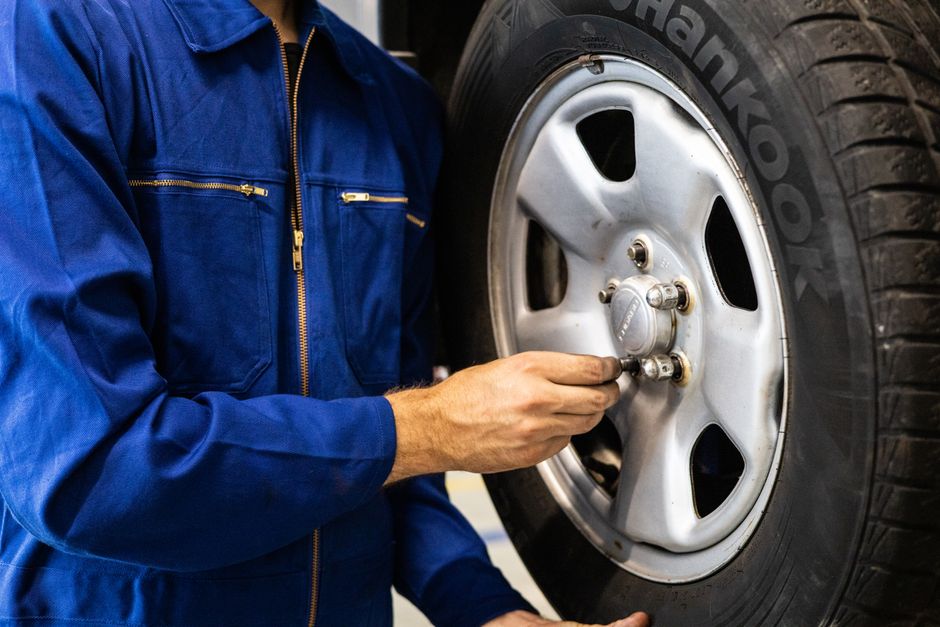
Seasonal tire installation is a routine service that most drivers experience twice yearly, yet many people don't understand exactly what happens during the process. Knowing what to expect helps you prepare and understand why professional installation matters for vehicle safety and performance.
When you arrive for tire installation, the technician first inspects your vehicle and confirms which tires you need installed. They verify tire size, load rating, and speed rating match your vehicle's specifications. This confirmation ensures you're receiving the correct tires and prevents installation errors that could affect vehicle safety.
The installation process begins with removing your current tires. Technicians loosen lug nuts with pneumatic tools, safely lift your vehicle on appropriate equipment, and remove the wheels. Next, they inspect your brake components while wheels are off. This visual check catches wear on brake pads, rotors, and brake fluid lines that might otherwise go unnoticed. They clean the brake dust and corrosion from wheel centers and brake components.
Your new or previously stored tires then mount onto the wheel hubs. Technicians ensure tires seat properly on wheels, then install and torque lug nuts to the vehicle manufacturer's specifications. Proper torque prevents wheel wobbling and ensures wheels don't loosen during driving.
If you're installing tires that were previously stored, the technician adjusts air pressure to manufacturer-recommended levels. They may use a tire pressure monitoring system to verify correct pressure.
Modern vehicles often require wheel balancing to prevent vibration and uneven wear. Technicians place wheels on balancing machines that identify weight distribution around each wheel. They add small weights to opposite sides of the wheel until it's perfectly balanced. This balanced condition ensures smooth driving and extends tire life.
Some facilities perform wheel alignment checks during seasonal installation, though many customers choose alignment as a separate service. The technician can explain your vehicle's alignment needs.
Finally, technicians lower your vehicle carefully and verify all lug nuts are properly torqued a final time. They may rotate the tires into specific positions on your vehicle to promote even wear over time.
The entire process typically takes one to two hours depending on whether additional services are performed. Most facilities allow you to wait in comfortable areas, though many people run errands while installation happens. Professional installation ensures your safety, vehicle performance, and tire longevity for the entire season ahead.