Blog ·
Preparing Your Tires for Storage: A Practical Step-by-Step Guide
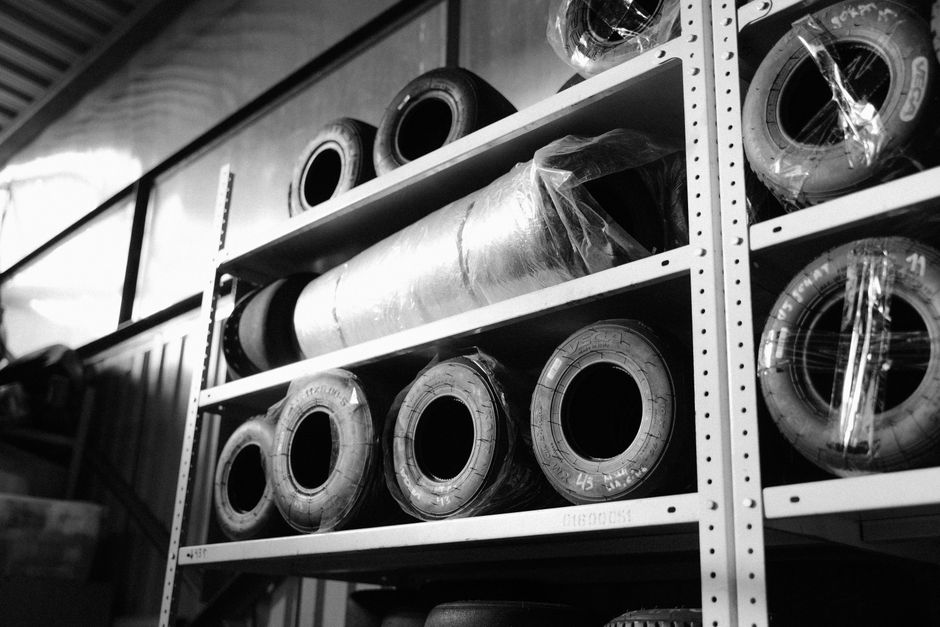
When your tires come off your vehicle for seasonal storage, taking time to prepare them properly ensures they remain in excellent condition until the next season. This process is simpler than many people assume, and following these steps protects your tires from damage and extends their useful life.
Start by cleaning your tires thoroughly. Use warm soapy water and a stiff brush to remove dirt, road salt, brake dust, and other debris. Pay special attention to the sidewalls and any grooves. Dirt and salt left on tires can accelerate degradation and corrosion during storage. Dry the tires completely with clean towels before storing them.
Next, inspect each tire carefully for damage. Look for cuts, punctures, bulges, or uneven wear patterns. Note the tread depth using a penny test or tread depth gauge. This inspection creates a baseline for evaluating tire condition when they come out of storage. If you discover significant damage, address it before storage rather than discovering problems when you need the tires installed.
Check and record the air pressure in each tire. Properly inflated tires maintain their shape better during storage and resist flat spotting. Many professionals recommend slightly overinflating by a few pounds for storage, though your storage facility may have specific recommendations. Document the pressure so your installation team knows the starting point.
Label your tires clearly before delivering them for storage. Include which tires are left-front, right-front, left-rear, and right-rear. Mark any tires that have experienced repairs or have wear concerns. This information helps the storage facility handle your tires appropriately and ensures proper positioning during reinstallation.
Package your tires appropriately for transportation. Wheel-tire assemblies should be balanced and secured. Tires alone should be bundled together securely. Communicate with your storage provider about their specific preparation requirements, as some facilities have particular protocols.
Before removing your old tires, take photos of their current condition. These reference images prove helpful if questions arise later about tire condition. They also create a record for your personal files.
Finally, document which tires came off and when. Note your vehicle's mileage and any tire-related work performed recently. This information helps ensure proper tire rotation when your tires are reinstalled next season, promoting even wear and maximizing tire life.